
One Platform for Every Connected Asset’s Lifecycle
Most platforms cover one slice of the asset life — onboarding, or monitoring, or maintenance. Flex83 manages all of it: commissioning, identity, monitoring, predictive maintenance, OTA, performance benchmarking, and clean decommissioning — across millions of assets.
Trusted by teams at global enterprises
for industrial data and asset ecosystem















Asset Lifecycles Are Managed in Pieces — and It Shows
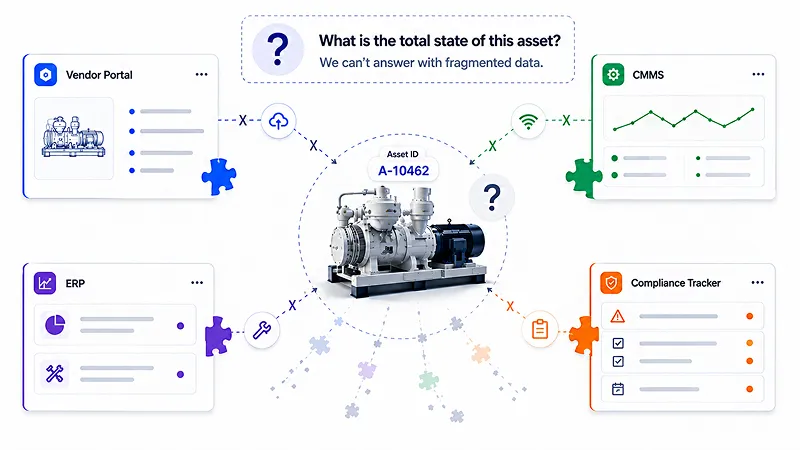
1. Multiple tools, no single source of truth
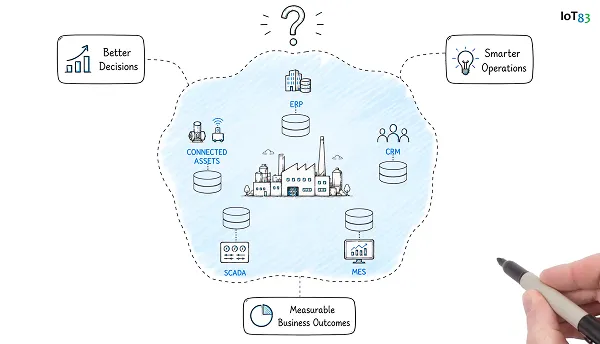
Commissioning live in a vendor portal, monitoring in a CMMS, maintenance in an ERP, and decommissioning in a compliance tracker. Nobody can answer 'what is the total state of this asset?' Without unifying the systems.
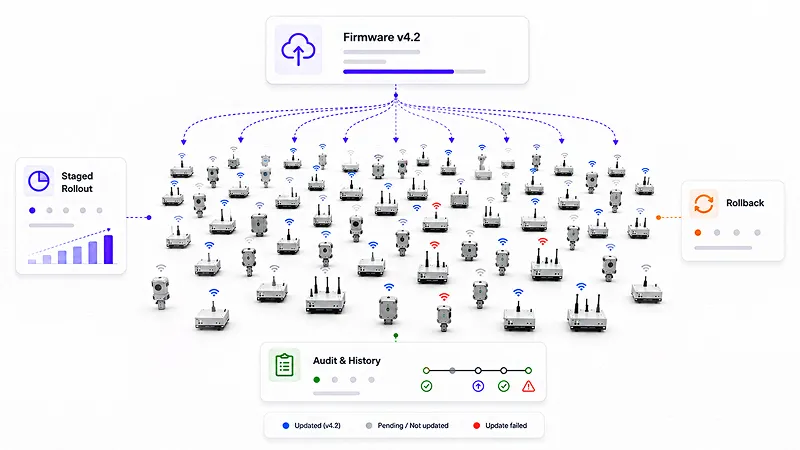
2. OTA and firmware management bolted on, never owned
Pushing a firmware update to 50,000 devices safely — staged rollouts, rollback, audit — is still an engineering project in most operations. The risk and the cost compound with every asset added.
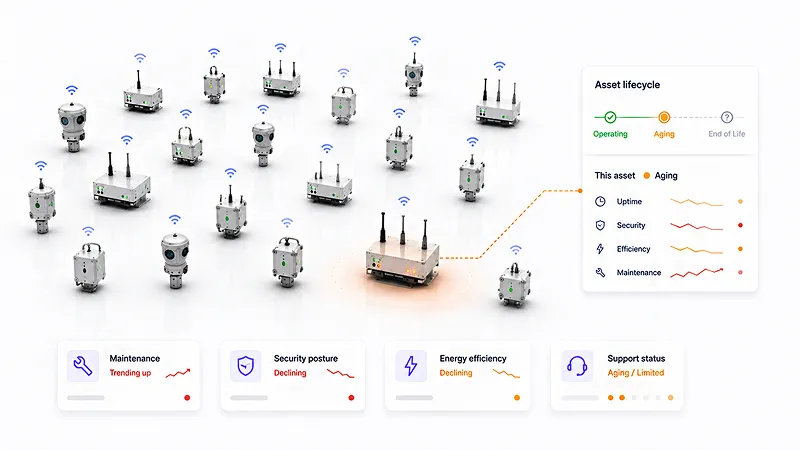
3. End-of-life ignored until it bites
Aging assets quietly drag uptime, security posture, and energy efficiency. Without lifecycle visibility, decommissioning is reactive, expensive, and rarely fully audited.
Flex83 Asset Lifecycle Management, End to End
.avif)
1. Zero-Touch Commissioning
Pre-provision device identity, certificates, and policy at the factory or on first boot. Field technicians plug it in, the asset joins the right tenant, the right hierarchy, and the right monitoring profile — automatically.
.webp)
2. Unified Asset Registry
Every asset, every component, every relationship — modeled once, used everywhere. Maintenance, monitoring, billing, and compliance all draw from the same registry. No more reconciling names across systems.
.avif)
3. Safe, Staged OTA at Fleet Scale
Staged rollouts by cohort, geography, or risk tier. Automatic rollback on health-signal regression. Full audit log. Push firmware, models, and configuration with the same workflow.
.webp)
4. Lifecycle-Aware Decommissioning
Triggered by age, health, performance, or contract end-of-life. Decommissioning workflows handle data archival, credential revocation, compliance attestation, and customer notification — in one tracked workflow.
aster device onboarding
reduction in lifecycle management cost
uptime SLA across managed fleets
One System of Record for Every Asset
Every prediction, alert, and automated action carries its full provenance. Operators trust the platform because they can interrogate it.
Lifecycle as a Revenue Lever
Service contracts, extended warranties, and outcome-based offers all become easier to sell (and price) when you can prove asset state in real time.
From Pilot to Production in Weeks, Not Years
Weeks 1–2
Weeks 3–6
Weeks 7–12
Weeks 13–16
Weeks 17+
Resources
.webp)
.webp)
Industrial OEMs Are Becoming Software Companies — Most Haven’t Updated Their Platform Strategy Yet
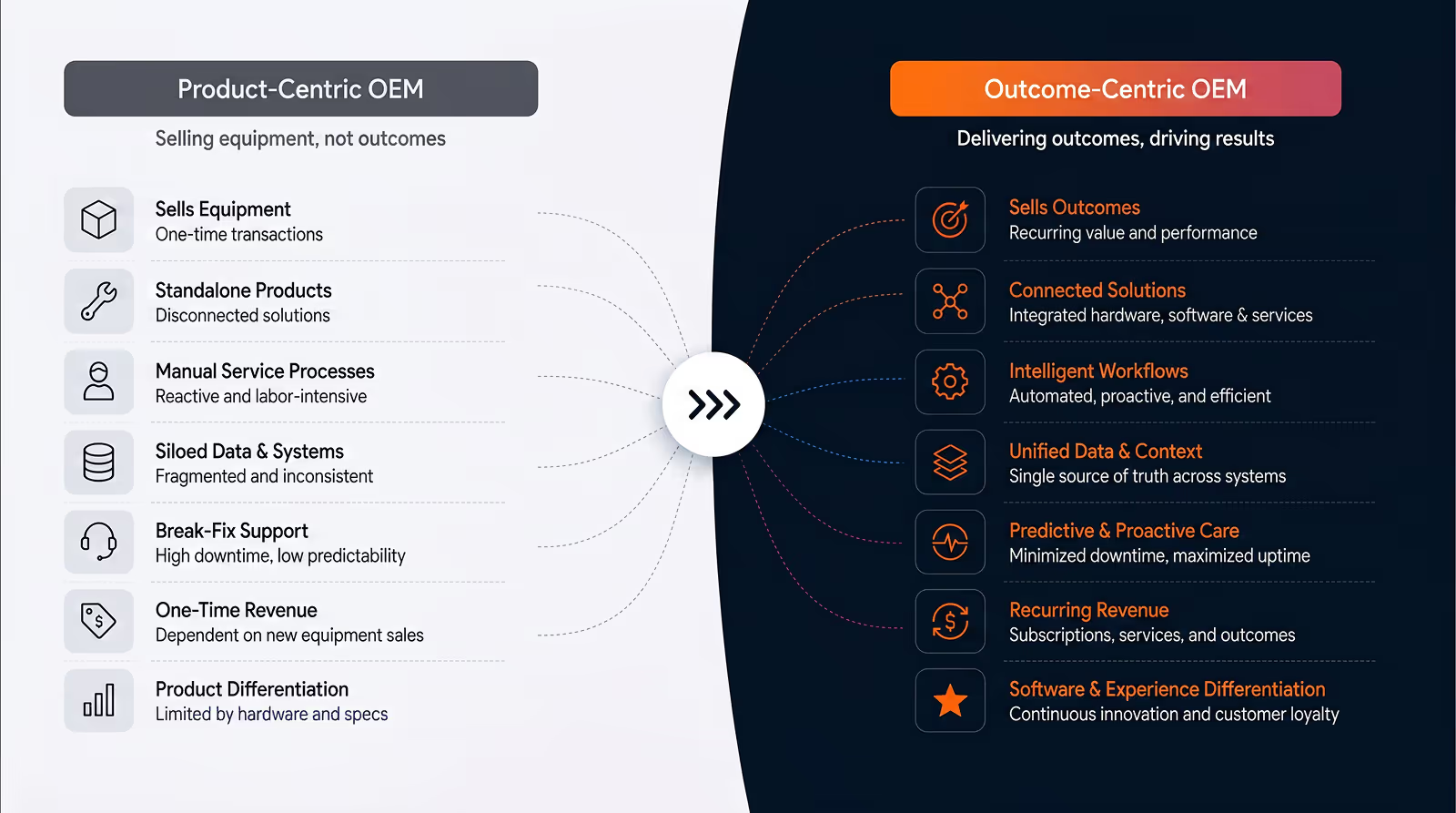


Own the Asset for Its Whole Life — Not Just the Sale
Tell us about your installed base, your current lifecycle tooling, and the operational metrics you want to move. We'll map Flex83 onto your existing systems and show what a unified asset lifecycle looks like in your environment.