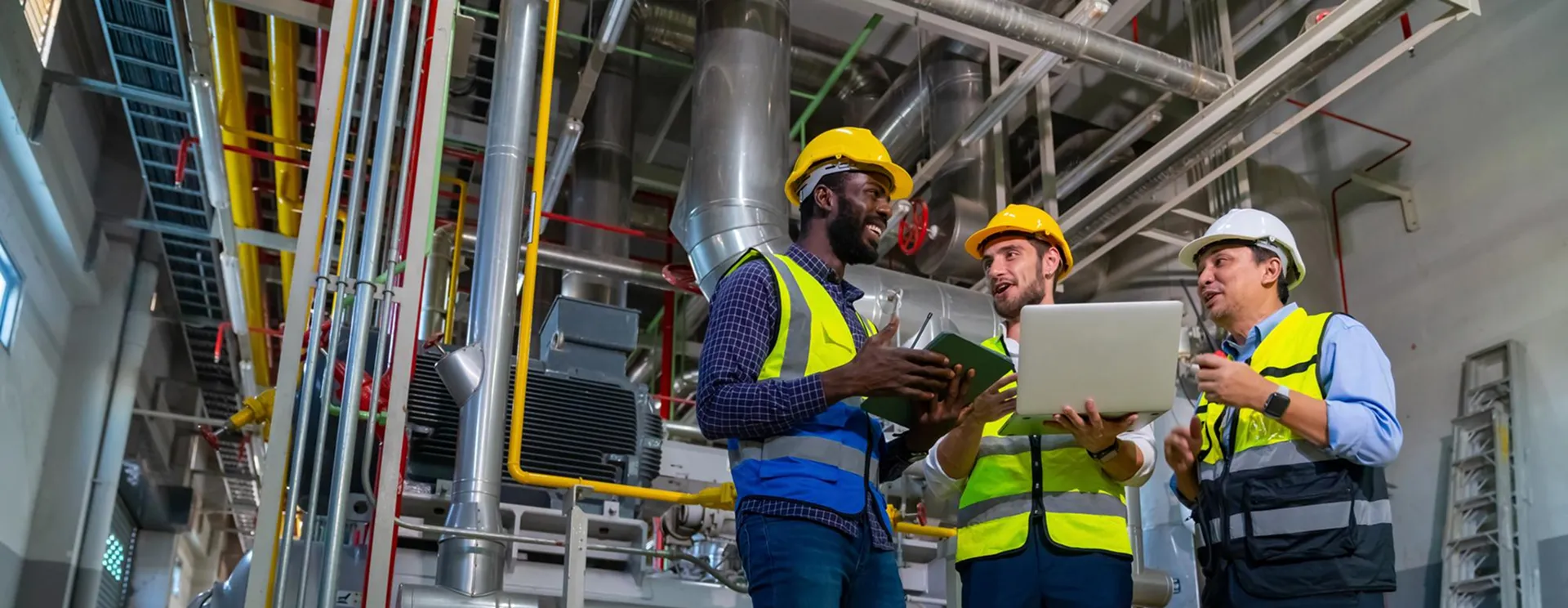
Field Operations, Modernized From the Sensor to the Technician's Screen
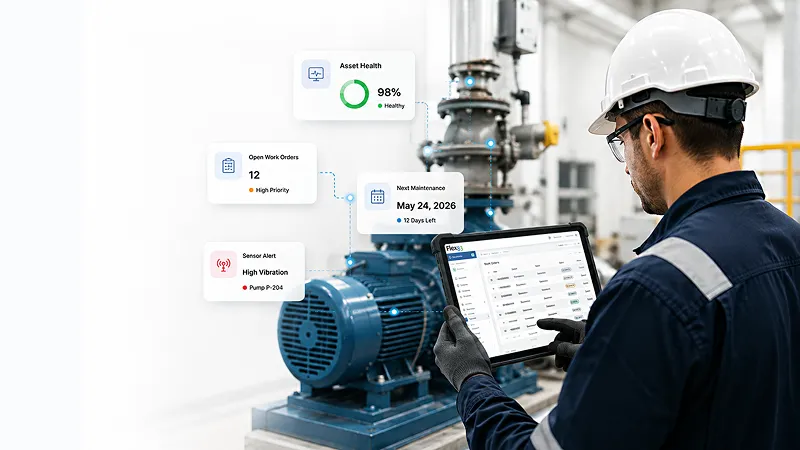
Field operations still run on tribal knowledge, paper checklists, and best-guess dispatch. Flex83 turns connected asset data into a modernized field workflow: predictive dispatch, remote diagnostics, contextual on-device guidance, and a customer portal that closes the loop.
Trusted by teams at global enterprises
for industrial data and asset ecosystem















Why Field Operations Still Cost More Than They Should
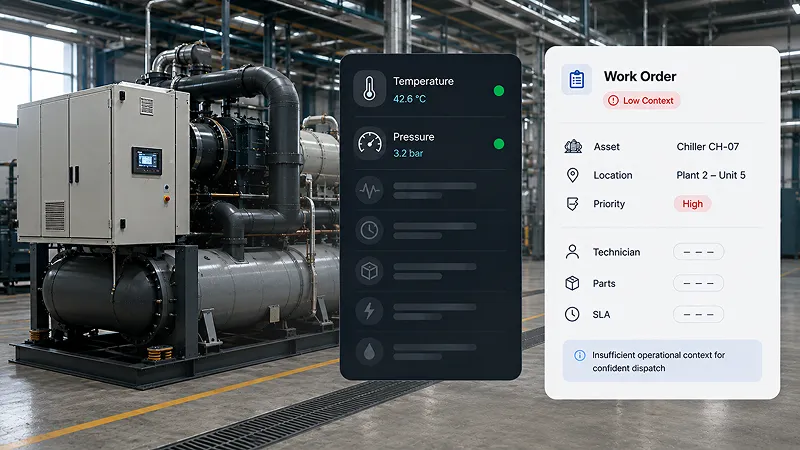
1. Dispatch decisions made on incomplete data
Without live asset telemetry, dispatch defaults to 'first available technician.' Skills, parts, criticality, and customer SLA become afterthoughts. The result: avoidable truck rolls and missed SLAs.
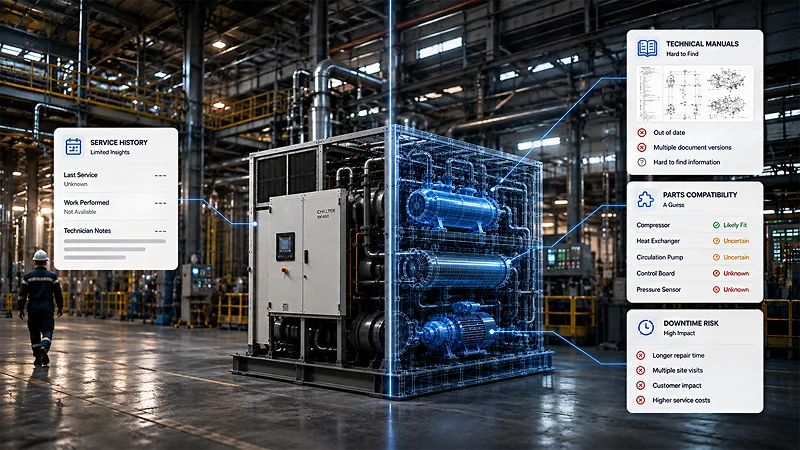
2. Technicians arrive without context
Manuals are out of date, work history is in another system, parts compatibility is a guess. First-time-fix rates suffer; customers wait; trust erodes.
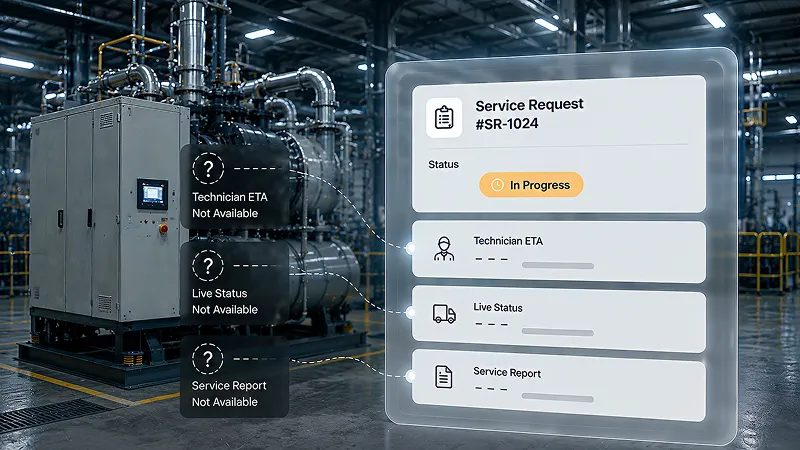
3. Customers in the dark
Service requests vanish into a queue. Customers call to check status. Operations teams spend hours on questions a portal could answer in seconds.
Flex83 for Modernized Field Operations

1. Predictive Dispatch
Condition monitoring triggers proactive service calls before failures occur. Schedule maintenance during planned windows, not emergency shutdowns. AI-recommended technician matches skills, parts, geography, and customer SLA in one decision.
.webp)
2. Remote Diagnostics First
Real-time data, historical patterns, and AI diagnostics identify root causes remotely. Only dispatch when needed — and dispatch the right technician, with the right parts, on the first visit.

3. Contextual On-Device Guidance
Technicians see complete asset history, current sensor state, AI-recommended procedure, and parts compatibility — on the device, online or offline. Sync happens automatically when connectivity returns.

4. Customer Self-Service Portal
White-labeled customer portal shows live asset health, service history, upcoming maintenance, and self-service request submission. You control exactly what each customer sees.
From Reactive. To Predictive. To Competitive.
reduction in truck rolls
improvement in first-time-fix rate
in new monthly service revenue per OEM
From Firefighting to Foresight
Field teams stop reacting and start scheduling. Maintenance windows become planned events, not emergency disruptions.
From Cost Center to Revenue Stream
Modernized field service unlocks outcome-based service offers — uptime guarantees, performance contracts, and tiered support packages.
From Pilot to Production in Weeks, Not Years
Weeks 1–2
Weeks 3–6
Weeks 7–12
Weeks 13–16
Weeks 17+
Resources
.webp)
.webp)
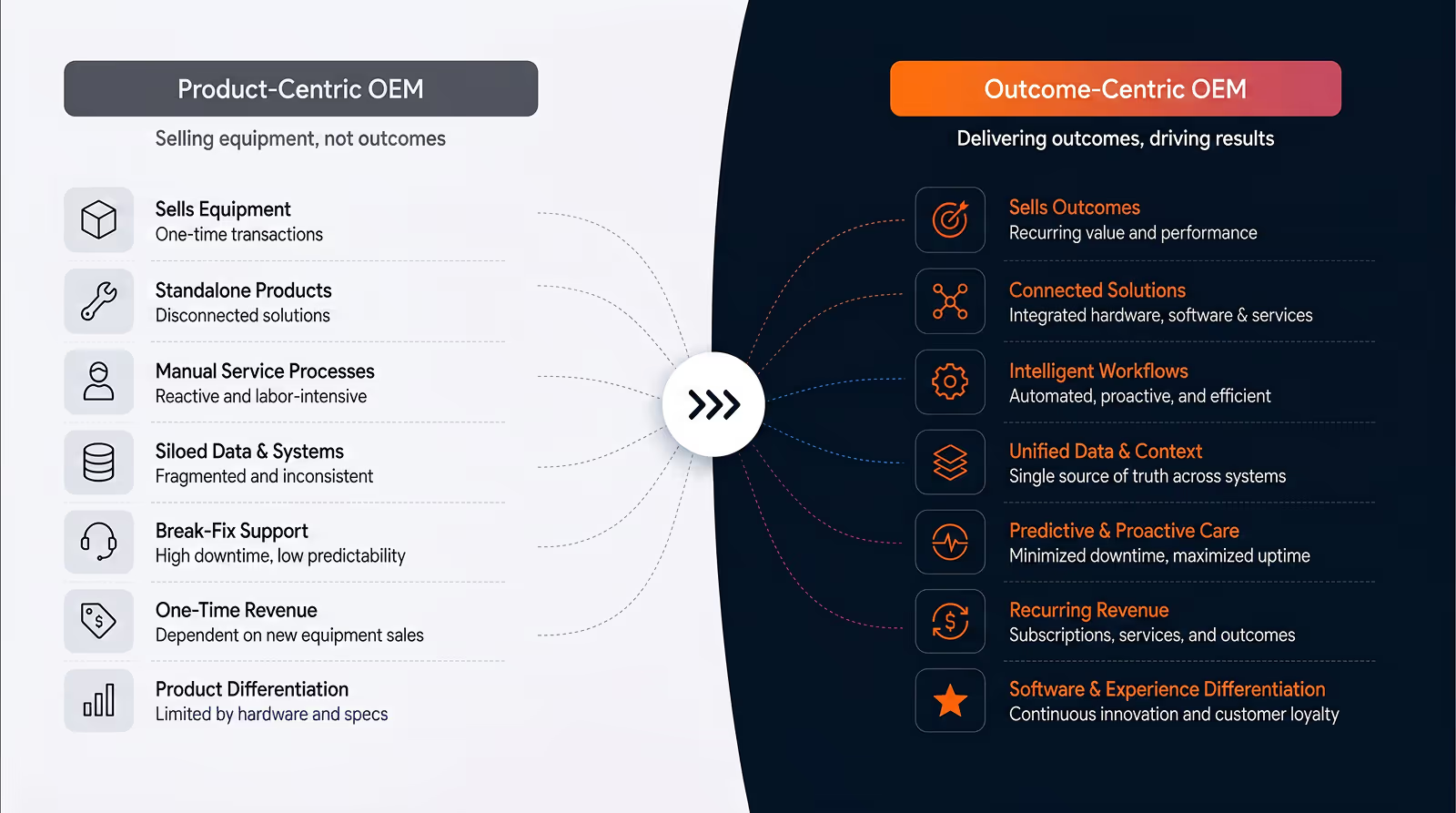
Industrial OEMs Are Becoming Software Companies — Most Haven’t Updated Their Platform Strategy Yet

Field Operations That Customers Actually Notice
Tell us about your service footprint, your current dispatch model, and the SLAs that matter most. We'll map a 12-week path to modernized field operations on Flex83.