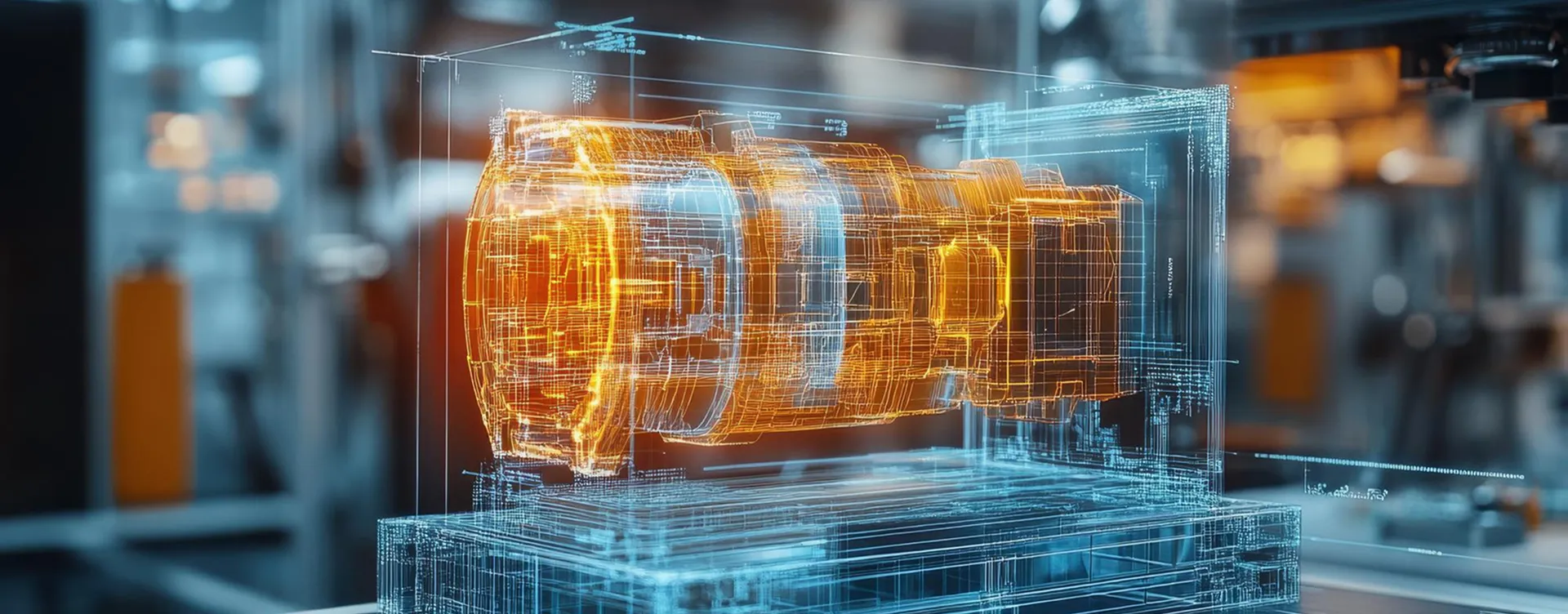
Digital Twins That Actually Run Operations — Not Just Render Them
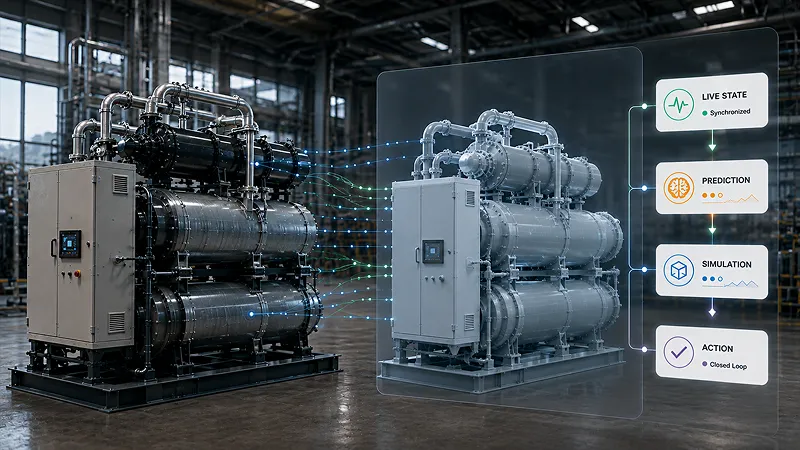
Most 'digital twins' are 3D viewers with telemetry overlaid. Flex83 builds twins that operate: live asset state, AI-driven predictions, what-if simulations, and closed-loop actions — all on the same governed data foundation as the rest of your platform.
Trusted by teams at global enterprises
for industrial data and asset ecosystem














Why Most Digital Twin Projects Disappoint
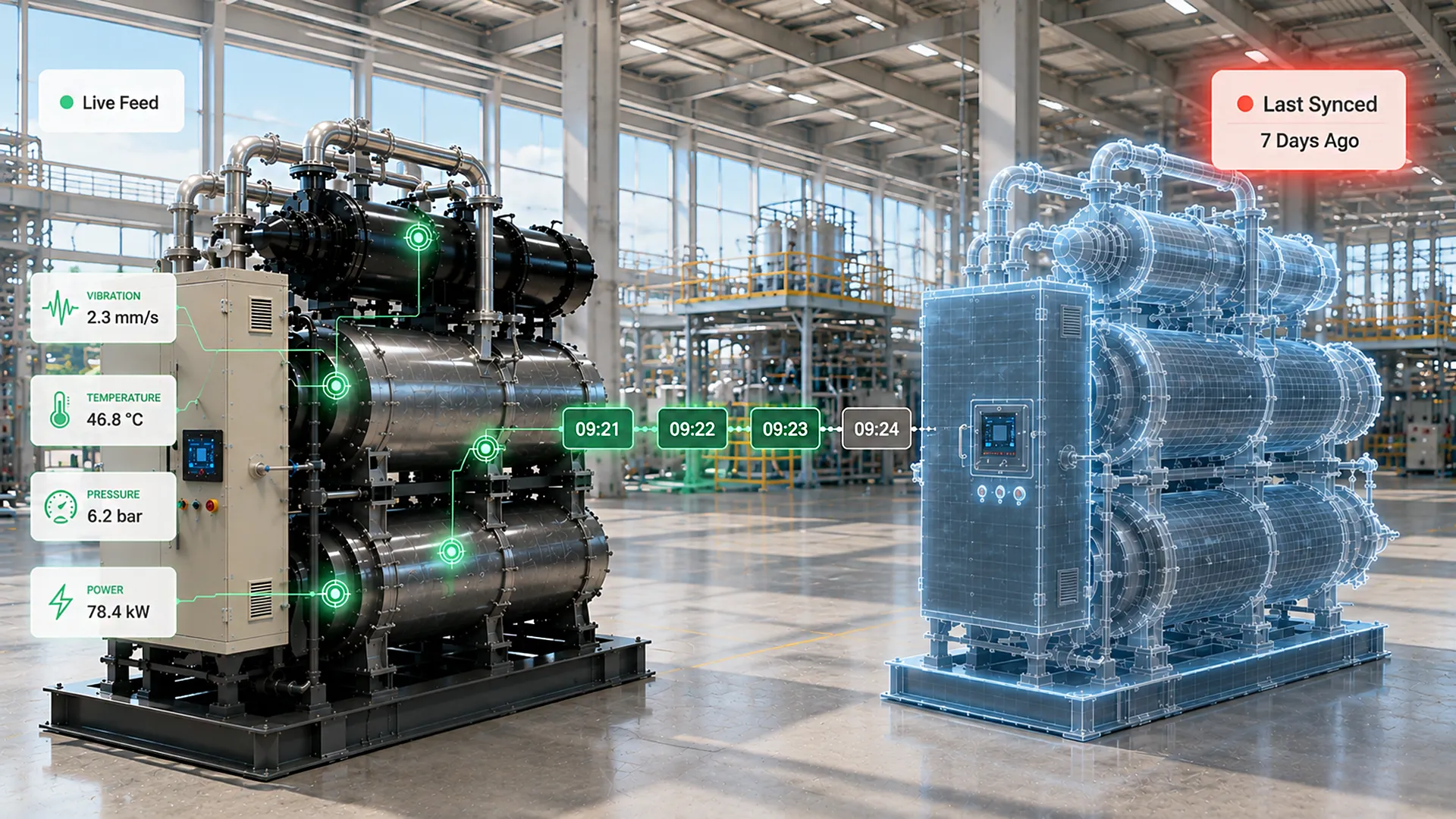
1. Twins disconnected from production data
A twin built from CAD with weekly data imports isn't a twin — it's a model. Without live telemetry, governed lineage, and AI/ML, twins stay decorative.
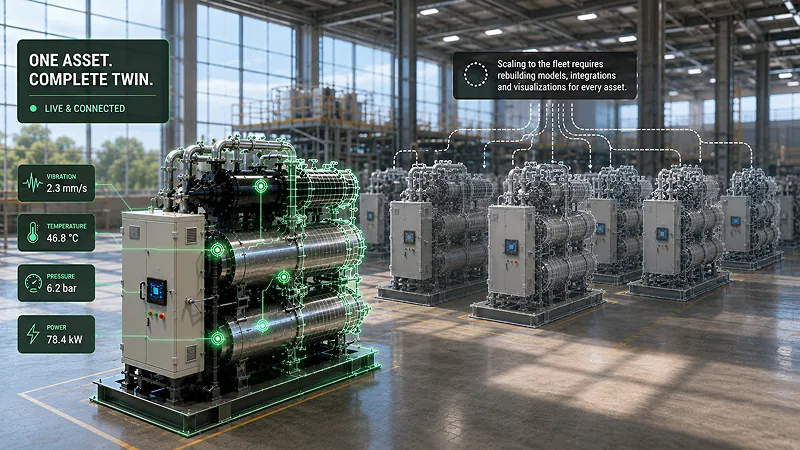
2. Twins built for one asset, not a fleet
Pilots produce a beautiful twin for one machine. Scaling to a fleet means rebuilding the data model, the integrations, and the visualization from scratch — every time.
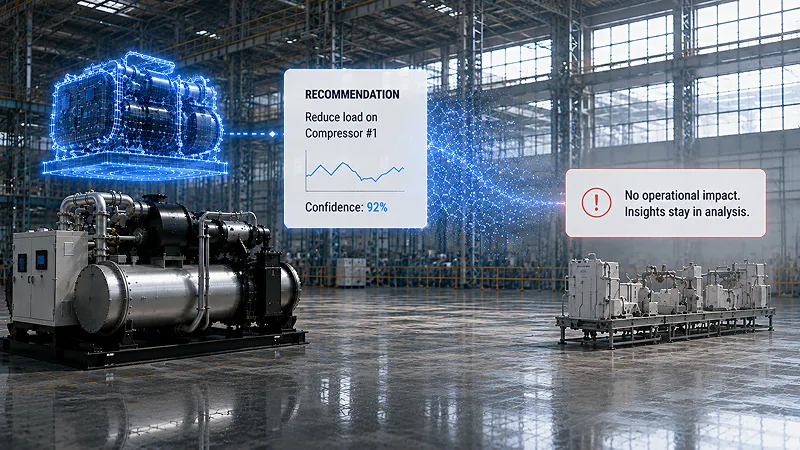
3. What-if simulations don't influence operations
When the twin can't push insights back into operational workflows (CMMS, dispatch, set-point control), its findings stay in a slide deck.
Flex83 Digital Twin, End to End

1. Live, Governed, Multi-Asset Twin
Every twin is generated from the asset registry — same hierarchy, same lineage, same governance as the rest of Flex83. Twins update in real time from the connected fleet, not from imports.

2. AI/ML Built In
Anomaly detection, RUL prediction, fault classification, and vision AI all run against the twin. Insights show up in context — on the asset, in the dashboard, in the customer portal.
.webp)
3. What-If Simulations You Can Act On
Run scenarios — 'what if we raise set-point by 3%?', 'what if we delay maintenance by two weeks?' — using historical patterns and AI models. Push approved actions directly into the operational workflow.

4. From One Asset to Enterprise-Wide
Twin templates per asset class. Generate twins for the entire fleet from the registry. Roll up to line, plant, and enterprise twins for executive-level scenarios.
From Reactive. To Predictive. To Competitive.
faster engineering-change decisions
reduction in physical prototyping
uplift in throughput from optimized set-points
Twins That Earn Their Keep
When the twin drives real operational decisions — maintenance, set-points, dispatch — its ROI is provable, not theoretical.
From One-Off to Fleet-Wide
Twin templates and a unified asset registry make 'twin every asset' a configuration task, not a multi-quarter project.
From Pilot to Production in Weeks, Not Years
Weeks 1–2
Weeks 3–6
Weeks 7–12
Weeks 13–16
Weeks 17+
Resources
.webp)
.webp)
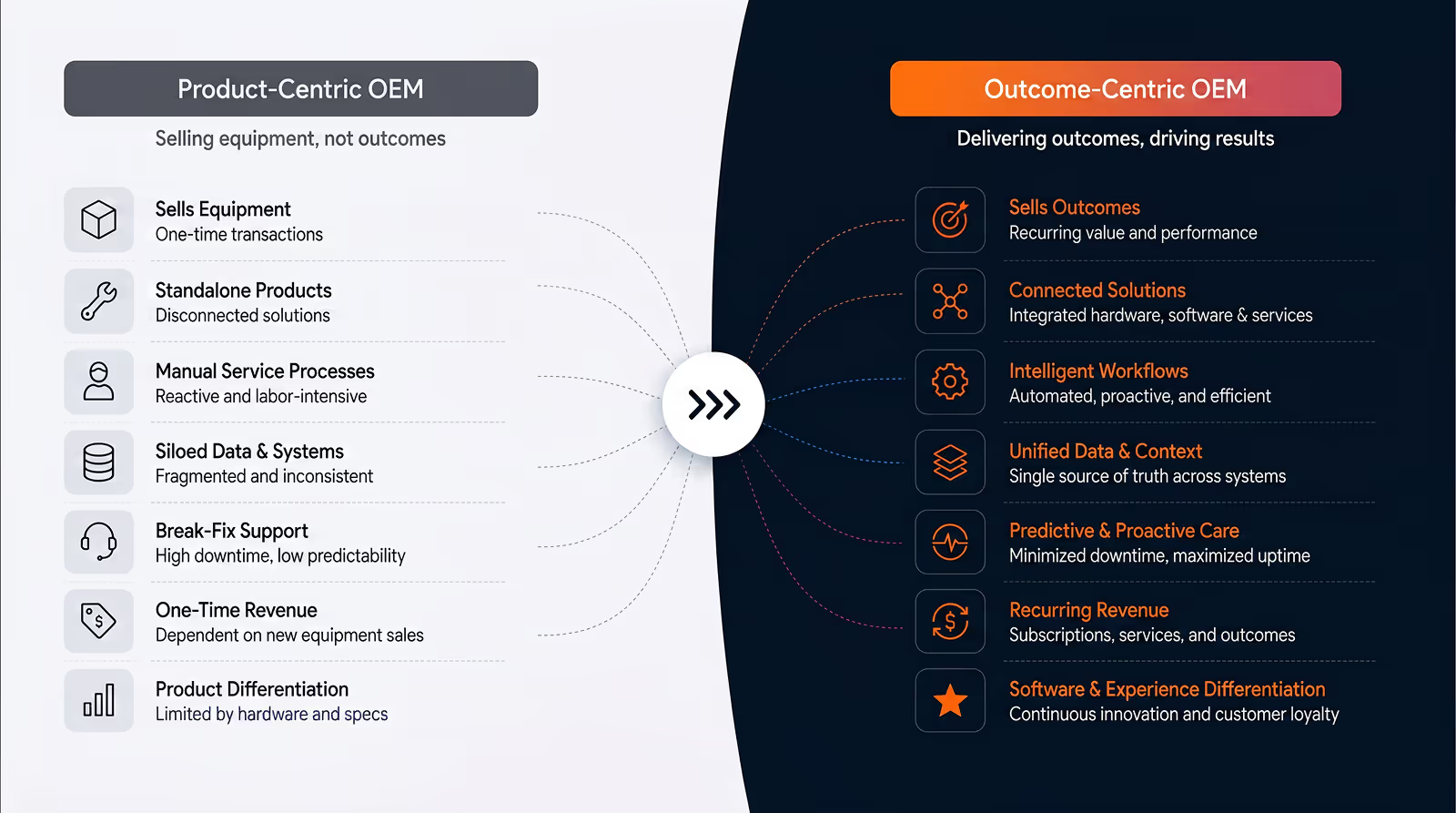
Industrial OEMs Are Becoming Software Companies — Most Haven’t Updated Their Platform Strategy Yet
Digital Twins That Drive Decisions — Not Just Demos
Tell us about your asset classes, the operational decisions that should run through a twin, and the data you already collect. We'll map a 12-week path to a live, useful digital twin on Flex83.